Toddler ASD Test: Is it Shyness or Autism? Guide to Social Cues & Screening
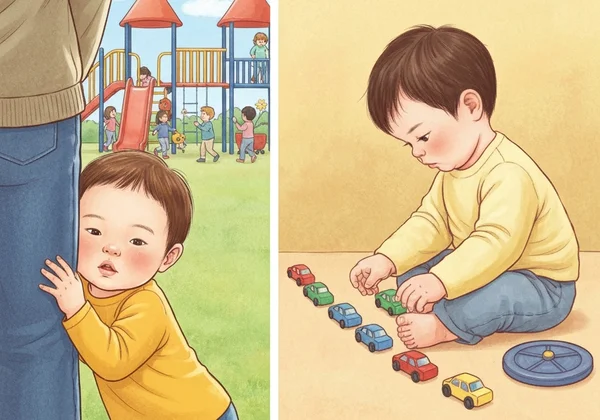
As a parent, you watch every little milestone with a heart full of hope and a mind full of questions. When your toddler hides behind your legs or plays quietly alone, it's natural to wonder. Is it just a passing phase of shyness, or could their unique way of interacting with the world be an early sign of something more, like Autism Spectrum Disorder (ASD)? This guide is here to offer you clarity and support. We'll gently explore typical social development, compare it with traits often associated with ASD, and help you feel empowered in taking the next step for your child. How do I know if my child is autistic? Understanding the nuances is the first step toward getting the right support.
Understanding Typical Toddler Social Cues
Every child develops at their own pace, but there are general patterns we can observe. Understanding what is typical for a toddler’s social world provides a helpful baseline as you consider your own child's unique journey. This knowledge can help you distinguish between a reserved personality and developmental differences that may warrant a closer look.
The Basics of Early Social Development: What to Expect
In the bustling world of a toddler, social skills are just beginning to blossom. Typically, children between one and three years old start showing interest in other children, even if they engage in "parallel play"—playing alongside others rather than directly with them. They learn by imitating actions, responding to their name, and beginning to share moments of joy by pointing at a funny cat or a bright airplane. This growing awareness of others is a foundational piece of their social puzzle.
What Does "Shy" Really Look Like in Young Children?
Shyness is a common personality trait, not a developmental delay. A shy toddler might take longer to warm up in new situations or with unfamiliar people. They might cling to a parent's side at a party but eventually join the fun once they feel comfortable. A key indicator of shyness is that the child still possesses the underlying social skills; they can make eye contact, respond to social smiles, and engage in interactive play, even if they only do so with familiar people at first. Their hesitation is situational, not a consistent challenge in understanding social rules.
Shyness vs. Autism: Key Differences to Observe
While a shy child may pause before entering a social scene, a child on the autism spectrum may navigate that scene using a completely different map. The differences often lie not just in their willingness to interact, but in the fundamental way they perceive and respond to social information. An online ASD screening can offer initial insights into these patterns.

Social Reciprocity & Interactive Play: A Deeper Look
Social reciprocity is the back-and-forth dance of social interaction. For example, a toddler rolls a ball to you, you roll it back, and a game is born. Toddlers on the autism spectrum may find this reciprocity challenging. They might not initiate games or respond to bids for interaction in a typical way. Their play can be more solitary and focused on their own interests, such as lining up toys or spinning the wheels of a car, rather than using the car for imaginative, interactive play with a peer.
The Role of Eye Contact and Non-Verbal Communication
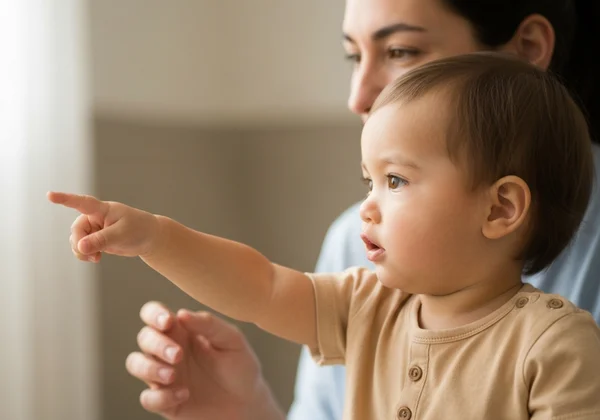
For many toddlers, non-verbal cues are a primary language. They point to what they want, wave goodbye, and use facial expressions to share their feelings. A key difference often observed in autistic toddlers is a different approach to non-verbal communication. They might avoid or have fleeting eye contact. Instead of pointing to show you something interesting (joint attention), they might pull your hand directly to the object. They may also have a limited range of facial expressions, making it harder for others to read their emotions.
Exploring Repetitive Behaviors and Restricted Interests
This is an area where the distinction from shyness becomes very clear. Autistic children often find comfort in repetition and routine. This can manifest as repetitive body movements like hand-flapping or rocking (stimming), or repeating words or phrases. They may also develop intense interests in very specific topics, like trains or dinosaurs, and their play may revolve exclusively around these themes. While all toddlers love routine, for an autistic child, a small deviation can be deeply distressing.
Essential Child Communication Milestones to Monitor
Language and communication are deeply intertwined with social development. Tracking key milestones can provide valuable clues. If you notice persistent delays or unusual patterns, it may be time to consider a preliminary asd test as a tool for further understanding.
From Babbling to First Sentences: The Verbal Journey
The path to language is a marvel. It starts with babbling, progresses to first words around their first birthday, and explodes into two-word phrases by age two. While every child's timeline varies, a significant delay or a regression—such as a child who stops using words they once knew—is a reason to pay closer attention. Some autistic children may be non-speaking or have delayed language, while others might have a robust vocabulary but struggle to use it in conversational, back-and-forth exchanges.
Beyond Words: Understanding Non-Verbal Communication Milestones
Communication is so much more than words. By 12-18 months, toddlers typically use gestures like pointing, showing, and waving to communicate their needs and share experiences. They look back and forth between an object and a caregiver to create a shared moment. If a child isn't using these gestures to communicate or doesn't seem to understand them when you use them, it could be a sign of a developmental difference in social communication.
When to Consider an ASD Test or Screening for Your Toddler
Your parental intuition is powerful. If your observations consistently point toward challenges beyond typical shyness, taking a gentle, proactive step can make all the difference. An asd screening for toddlers is not about labeling your child; it's about understanding their needs so you can provide the best possible support.

Identifying Potential Red Flags: When to Seek Further Insight
It’s time to consider further steps if you notice a consistent pattern of several of the following:
- Not responding to their name by 12 months.
- Not pointing at objects to show interest by 14 months.
- Avoiding eye contact and preferring to be alone.
- Struggling to understand other people’s feelings.
- Delayed speech and language skills.
- Repeating words or phrases over and over (echolalia).
- Getting upset by minor changes in routine.
- Having highly restricted interests.
How Online ASD Test & Screening Tools Like AsdTest.org Can Help
In a world of uncertainty, having a clear, accessible first step is invaluable. An online tool like the preliminary ASD screening offered on our site serves as an initial information-gathering resource. It provides a structured way to review your child's behaviors against established developmental markers. The purpose of this at-home asd screening is to give you a preliminary summary and organize your concerns, empowering you with information before you speak with a healthcare provider.
Why Professional Diagnosis Remains Crucial for Next Steps
It is essential to remember that an online screener is a starting point, not a conclusion. It cannot provide a medical diagnosis. A formal diagnosis can only be made by a qualified professional, such as a developmental pediatrician or child psychologist, through comprehensive evaluation. The results from an online asd test can be a fantastic bridge, providing you with a detailed summary to share with a doctor to begin that conversation.
Taking the Next Step: Gaining Clarity for Your Child's Journey
Navigating your child's development is a journey of love and discovery. Distinguishing between shyness and potential signs of autism is about understanding, not judgment. You've taken a wonderful step by seeking information. Trust your instincts, observe with an open heart, and remember that knowledge is the key to empowerment.
If you’ve read through this guide and find yourself wanting more clarity, the next step is simple and available right now. Start your insightful ASD test to gain a better understanding of your child's unique traits. It’s a confidential, user-friendly tool designed to help you on your path to supporting your child’s brilliant future.
Frequently Asked Questions About Toddler Social Development & ASD Screening
What are the very first signs of autism in a toddler?
The earliest signs of autism often involve social communication. This can include a lack of response to their name, limited eye contact, not sharing moments of interest with you (like pointing to a bird), and delays in using gestures like waving or pointing to ask for something.
Can an online test truly help identify if my child has ASD?
An online test cannot diagnose ASD, but it is an extremely helpful preliminary screening tool. It can help you organize your observations and determine if there are enough indicators to warrant a formal evaluation with a professional. Think of the free asd test online as a way to gather data and confidence before your next doctor's appointment.
What does an ASD screening for young children typically involve?
An initial screening, like the one on our site, involves a questionnaire for parents about their child's behaviors, communication patterns, and play habits. A formal screening with a professional is much more in-depth and includes direct observation of your child, developmental interviews, and standardized assessments.
What actions should I take after my child completes an ASD screening?
After completing an online screening for ASD, review the results summary carefully. Use this summary as a conversation starter with your child's pediatrician or a developmental specialist. They are your best resource for recommending next steps, which may include a referral for a comprehensive diagnostic evaluation or other supportive therapies.