Understanding Autism Stimming: ASD Screening Insights & Self-Regulation Strategies
Have you ever noticed repetitive movements or sounds in yourself or a loved one and wondered why they happen? These behaviors, often called "stimming," are a common and natural part of the human experience, but they are particularly significant for individuals on the autism spectrum. Stimming is often misunderstood, but it serves a vital purpose.
This guide will help you understand what stimming is, its different forms, and its role in self-regulation. We will explore how to provide support without suppression, offering clarity on a key aspect of autism. Recognizing these behaviors helps build empathy and clarity—key to supporting autistic individuals. If you see these traits and want to understand them in a broader context, a preliminary ASD test can be a helpful starting point.
What Exactly is Autism Stimming Behavior?
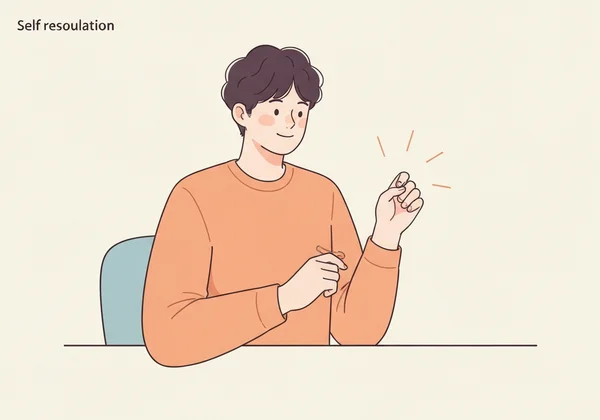
Stimming, short for self-stimulatory behavior, refers to repetitive actions or movements that a person uses to regulate their internal state. Everyone stims to some degree—like tapping a pen or bouncing a leg. For autistic individuals, however, these behaviors are often more pronounced and serve a more crucial function.
Instead of viewing stimming as a "symptom" to be fixed, it's more accurate to see it as a functional tool. It helps individuals manage their sensory environment, process emotions, and maintain a sense of calm and focus in a world that can often feel overwhelming.
Common Types of Stimming & Why They Happen
Stimming can involve any of the senses. The specific type of stim a person uses often relates to the kind of sensory input they need at that moment. Here are some common examples:
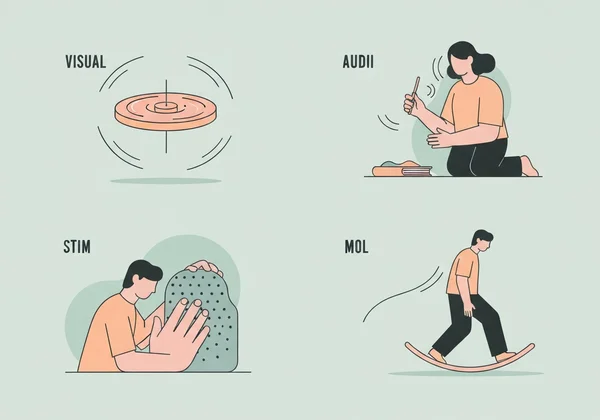
- Visual Stims: These engage the sense of sight. Examples include flapping hands in front of the eyes, staring at spinning objects like fans, repeatedly turning lights on and off, or lining up toys in a specific order. This can help create a predictable and calming visual experience.
- Auditory Stims: These involve sound. A person might hum, repeat certain words or phrases (echolalia), make clicking noises, or tap their fingers on a surface to create a rhythm. These sounds can block out distressing background noise or provide a comforting, consistent auditory input.
- Tactile Stims: These are related to the sense of touch. Rubbing a soft fabric, scratching, squeezing hands, or fidgeting with a specific object are all forms of tactile stimming. This can provide a soothing sensation and help ground an individual who feels anxious or overwhelmed.
- Vestibular & Proprioceptive Stims: These stims relate to balance and body awareness. Rocking back and forth, spinning, jumping, or swinging are common vestibular stims. Proprioceptive stims, like applying deep pressure by hugging oneself tightly, help a person feel more aware of their body's position in space.
The Purpose of Stimming: Self-Regulation & Communication
Stimming isn’t random. It’s a vital tool for self-regulation. For some, it also communicates feelings without words. Understanding its purpose is key to providing meaningful support.
Stimming helps individuals:
- Cope with sensory input: The world can be a flood of sensory information. Stimming can help filter out overwhelming sights, sounds, or smells (sensory overload) or provide needed input when the environment feels dull (sensory under-stimulation).
- Express strong emotions: When words are difficult to find, stimming can be a physical outlet for emotions like intense joy, excitement, anxiety, or frustration. A happy flap of the hands or an anxious rocking motion are forms of emotional expression.
- Aid concentration and focus: The repetitive nature of stimming can help improve focus by filtering out distractions. Many autistic individuals find it easier to concentrate on a task while engaging in a familiar stim.
- Provide comfort and predictability: In a world that can feel chaotic and unpredictable, stimming offers a reliable and comforting routine. It's a way to create a personal sense of order and safety.
Managing Stimming in Autism: Safe Self-Regulation Strategies for ASD Traits
Because stimming is a natural and necessary coping mechanism, the goal is not to eliminate it but to understand and support it. Learning to navigate stimming involves recognizing its purpose and ensuring it is safe and healthy for the individual and those around them. This approach builds trust and fosters effective self-regulation skills.
When to Support Stimming vs. When to Redirect
The most important rule is to avoid suppressing harmless stims. Telling someone to "stop flapping" or "be still" can be like taking away their primary tool for coping. It can increase anxiety and send the message that their natural way of being is wrong.
Harmless stims should always be supported and accepted.
However, there are times when redirection may be necessary:
- Self-injurious behavior: If a stim causes physical harm, such as head-banging or severe skin-picking, it's crucial to find a safer alternative.
- Disruption to others: If a stim significantly infringes on the safety or well-being of others, such as loud vocal stims in a quiet library, it’s reasonable to work on finding a more discreet alternative for that specific context.
- Interference with learning: If a stim prevents a person from engaging in essential activities or learning, exploring alternatives can be helpful.
The goal of redirection is not to stop the stimming but to replace it with an equally effective but safer or less disruptive behavior.
Practical Strategies for Managing Stimming Effectively
Supporting healthy self-regulation involves creating an environment where a person feels safe to be themselves while having the tools they need to manage their sensory and emotional needs.

- Create a sensory-friendly environment: Identify and reduce sensory triggers. This might mean using noise-canceling headphones, dimming lights, or creating a designated "calm-down corner" with soft pillows and comforting objects.
- Offer alternative stims and fidget tools: If a particular stim is problematic, introduce alternatives. A stress ball can replace skin-picking, a chewable necklace can replace biting on non-food items, and a small, quiet fidget toy can replace loud finger-tapping in certain situations.
- Teach self-awareness and self-advocacy: Help individuals recognize their own triggers and needs. Empower them to say, "I'm feeling overwhelmed, I need a break," or to carry tools that help them regulate. This gives them control over their own well-being.
- Communicate with empathy: For parents and caregivers, try to understand what a behavior is communicating. Instead of asking "Why are you doing that?" consider asking, "It looks like you're feeling a lot right now. How can I help?" This shifts the focus from judgment to support. If you're looking to understand ASD traits into these patterns, our platform can help.
How Stimming Relates to a Preliminary ASD Screening
Stimming is just one piece of a much larger puzzle. While it is a very common trait associated with Autism Spectrum Disorder, it is not, by itself, a confirmation of autism. Understanding how it fits into the broader picture of ASD characteristics is where a preliminary screening can be incredibly valuable.
Recognizing Stimming as a Key Trait in Autism Spectrum Disorder
In clinical settings, one of the core areas professionals look at for an ASD diagnosis is the presence of "restricted, repetitive patterns of behavior, interests, or activities." Stimming falls directly into this category.
An online ASD test doesn't just ask about stimming. It asks a wide range of questions about social communication, sensory sensitivities, and patterns of thinking. This helps to identify if stimming is part of a broader set of traits often associated with autism. It helps connect the dots between an observable behavior and the underlying neurotype.
Your Next Step: Gaining Deeper Insights with AsdTest.org
If you've recognized stimming behaviors in yourself or someone you care about and are wondering what it might mean, taking the next step can feel daunting. That’s where we can help.
How Our ASD Screening Tool Works
Our online preliminary screening is designed to provide you with accessible, initial insights. Our screening tool simplifies exploring ASD traits—no clinic visit needed. It's important to remember that this is a screening tool, not a diagnostic instrument. Its purpose is to offer information and a potential direction for further exploration.
By answering a series of questions, you can see how specific traits fit together, providing a clearer picture and helping you decide on your next steps. take the ASD screening test today to begin your journey of understanding.

Embracing Differences & Seeking Deeper Understanding
Stimming is a fundamental part of the autistic experience—a valid and vital tool for navigating the world. By shifting our perspective from judgment to curiosity, we can learn to appreciate it as a form of self-regulation and communication. Supporting stimming means supporting the individual's well-being and right to be themselves.
Understanding stimming is often the first step for many on their journey of self-discovery or in supporting a loved one. If what you've read today resonates with you, know that you are not alone. Our confidential ASD screening helps you explore your traits safely.
Frequently Asked Questions About Autism Stimming
Is stimming always a sign of autism, or can neurotypical people stim too?
Everyone stims. Neurotypical individuals might bounce their leg, tap a pen, or pace when nervous or bored. The difference often lies in the frequency, intensity, and purpose. For autistic people, stimming is typically more frequent and is a primary, essential tool for regulating their sensory system and emotions, rather than just a casual habit.
What should I do if my child's stimming is disruptive or harmful?
If a stim is causing physical harm or is severely disruptive, the first step is to consult a healthcare professional, such as an occupational therapist or a psychologist specializing in autism. They can help identify the underlying cause of the distress and work with you to find safer, alternative coping strategies that still meet your child's sensory needs.
How can I, as an adult, better understand and manage my own stimming behaviors?
Self-awareness is key. Start by noticing when and why you stim. Are you anxious, excited, or overwhelmed? Understanding your triggers can help you anticipate your needs. Embrace stims that help you and don't harm you. You can also explore discreet fidget tools for professional or public settings. To better understand these patterns, our ASD self test may provide a useful starting point for reflection.
Can certain environments or situations trigger specific stims?
Absolutely. Loud places like supermarkets can overwhelm. Rocking or humming helps block sensory overload. In contrast, a quiet, focused environment might lead to smaller, repetitive movements that aid concentration. Paying attention to these patterns can help you modify your environment or prepare for challenging situations.
What's the difference between stimming and a tics disorder?
This is a common question. While both involve repetitive movements, there is a key difference. Stimming is generally a voluntary or semi-voluntary response to an internal state (like anxiety or sensory needs) and often feels calming. Tics, such as those in Tourette's Syndrome, are involuntary, sudden, and often preceded by an uncomfortable urge that is only temporarily relieved by performing the tic.