ASD Test Results: Your Guide to Occupational Therapy Support
If you've recently completed an ASD screening, the question of "what's next?" naturally follows. Understanding the potential connection between your ASD test results and supportive therapies can help you take constructive next steps in your personal journey. This ASD occupational therapy guide explains how occupational therapy might complement your screening experience—whether you're exploring traits for yourself or a loved one.
Understanding the Bridge Between ASD Screening and Occupational Support
Autism spectrum differences often impact how individuals experience and navigate daily life. Our ASD screening tool provides insights that may help identify certain traits and challenges—but these insights become most meaningful when paired with skilled support. Let's examine how screening connects to practical help.
How an ASD Test Can Highlight Daily Functioning
While our screening doesn't provide a diagnosis, it may highlight areas where autistic traits affect activities like:
- Managing sensory input (lights, sounds, textures)
- Organizing daily routines and tasks
- Navigating social interactions
- Processing emotional experiences
These challenges often respond well to occupational therapy interventions—especially when addressed early.
How Occupational Therapy Complements ASD Screening Findings
Occupational therapists (OTs) specialize in helping people develop skills for daily living. The traits highlighted in your free ASD test online can serve as conversation starters with an OT specialist who may:
- Design personalized strategies for sensory sensitivities
- Create visual schedules to support executive functioning
- Teach emotion-regulation techniques
- Develop social interaction approaches
Want clearer insights to share with professionals? Our AI-powered ASD analysis reports provide detailed breakdowns of your results.
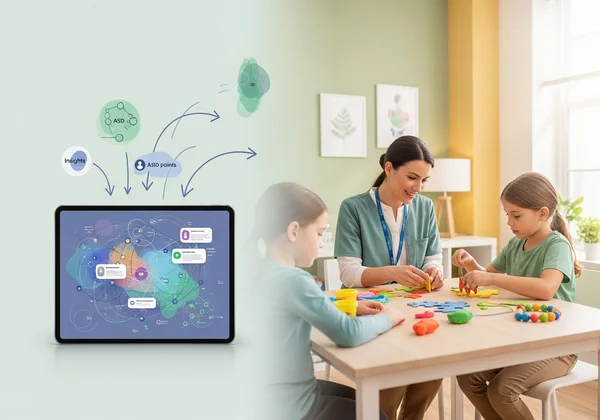
Key Areas Where Occupational Therapy Supports Autistic Traits
Whether your ASD screening highlighted sensory processing differences or social communication patterns, skilled occupational therapy offers practical solutions. Here’s where OT most commonly makes an impact:
Sensory Processing Challenges and OT Solutions
Many autistic individuals experience heightened or dulled sensory perceptions. OTs address this through:
- Environmental modifications (creating low-stimulus spaces)
- Sensory diets (strategic sensory input scheduling)
- Gradual exposure therapy to build tolerance
These approaches help individuals better manage the sensory patterns that may be identified in an ASD test profile.
Building Daily Living Skills Through OT Strategies
Executive functioning differences often accompany autistic traits. OTs help develop crucial life skills by:
- Breaking tasks into manageable steps
- Creating organizational systems
- Teaching time-management techniques
- Practicing self-care routines
These approaches often build on the behavior patterns identified in ASD screenings.

Social Communication and Occupational Therapy Approaches
While speech therapy focuses on language, OTs address the physical aspects of social interaction through:
- Nonverbal communication practice (eye contact comfort levels)
- Social scenario role-playing
- Co-regulation techniques for emotional connection
Take our free ASD screening to identify potential communication patterns that OT might address.
What to Expect in Occupational Therapy After ASD Screening
The transition from taking an asd test to starting therapy feels less daunting when you know the process. Here's what typically happens:
The Initial OT Assessment Process
Your first sessions will involve:
- Reviewing your ASD screening results (when shared voluntarily)
- Discussing daily challenges and goals
- Observing natural behaviors in various contexts
- Creating baseline measurements for progress tracking
How ASD Test Results Guide Therapy Decisions
Based on assessment findings and your screening insights (if available), your OT will develop goals like:
- "Increase tolerance to clothing textures by 50% in 3 months"
- "Develop 3 emotional regulation techniques for school"
- "Implement morning routine with 80% independence"
Get your AI-powered ASD profile to bring deeper insights to your OT consultation.

Finding the Right Occupational Therapist for Your Needs
The effectiveness of OT often depends on finding a specialist who understands autistic experiences. Consider these factors:
Questions to Ask When Choosing an OT Specialist
- What's your experience with clients exhibiting ASD traits?
- Do you use neurodiversity-affirming approaches?
- How do you incorporate client interests into therapy?
- What's your philosophy on autism and neurodiversity?
Resources for Locating Qualified Occupational Therapists
Start with:
-
ASD-specific directories (like the Autism Society's provider list)
-
School district recommendations (for pediatric cases)
-
Local autism support groups firsthand experiences
-
Our results dashboard where we provide OT referral guidance

Frequently Asked Questions About ASD Screening and Occupational Therapy
Does a positive asd test result mean I need occupational therapy?
Not necessarily—it indicates potential autistic traits that might benefit from OT evaluation. Take an ASD screening to identify traits then discuss them with a healthcare professional.
How is OT different from ABA therapy for autism?
While ABA modifies behaviors using reward systems, OT focuses on building functional life skills through strengths-based approaches. Many autistic adults prefer OT methods.
Can occupational therapy help adults who suspect they're on the spectrum?
Absolutely! Adult OTs specialize in workplace accommodations, relationship navigation, and independent living strategies—start with our adult ASD screening to begin the conversation.
What if I can't afford occupational therapy after my ASD test?
Your ASD screening report from our site helps qualify for school services (for children) or workplace accommodations (adults). Explore community mental health centers and sliding-scale clinics.
How do I discuss OT recommendations with my child's school after ASD screening?
Share your ASD test summary report as supporting documentation when requesting school-based occupational therapy evaluations—it starts the process.
Your path from ASD screening to daily support starts with awareness—the vital first step our free ASD screening tool provides. Whether you're confirming developmental patterns for a child or exploring long-standing personal traits, understanding leads to empowerment.
Take your first step today » Discover how occupational therapy strategies could align with your ASD screening insights—begin with our confidential assessment.